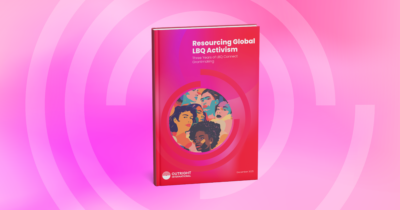
According to many metrics, LBQ (Lesbian, Bisexual, and Queer) organizations worldwide struggle with scarce resources. With funds often concentrated in the Global North, activists in Southeast Asia are left even further behind.
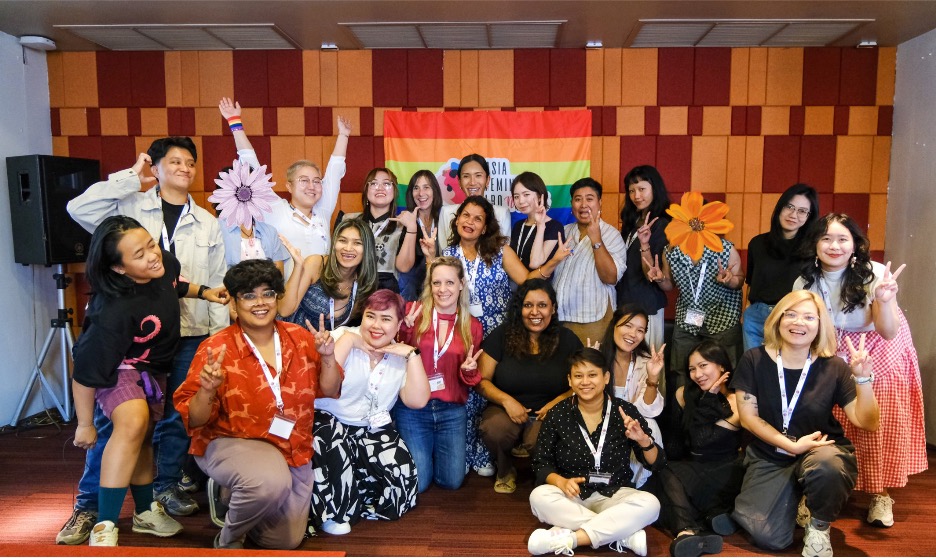
In response, the Asia Feminist LBQ Network (AFLN), recently published a report, “Resilient in the Face of Scarcity,” (Fall 2025) highlighting the unique challenges LBQ organizations in Southeast Asia face. This report is the first of its kind to focus on LBQ groups in this region.
Findings: Regional LBQ activists face unique challenges
AFLN surveyed activists from 18 LBQ groups across nine countries in Southeast Asia, where the LBQ human rights organization is based. They examined the complex struggles that rise both within and outside of LBQ organizations.
Through this report, AFLN hopes to engage funders and human activists in addressing the systemic barriers faced by communities within the LGBTQIA+ movement that often go unnoticed.
They found the following:
- Invisibility and shrinking spaces: Activists report a lack of space to discuss LBQ rights. Meanwhile, how LBQ advocates are often required to be “out” poses threats of exclusion and security concerns.
- Shortage of staff and limited capacity: Groups are chronically understaffed, fueling a cycle of overworking and burnout
- Funding challenges: Issues include language barriers and insufficient grant-writing skills, along with a lack of LBQ funding opportunities and difficulties in fulfilling funder’s requirements. The result is instable short-term and project-based funding.
- Interpersonal conflicts and hostility: Sexism, misogyny, exclusion from local feminist groups and online attacks all take their tolls on LBQ activists.
- Unmet needs of LBQ activists: Unresolved trauma and a blur between work and community creates difficult dynamics, only worsened by the realities of a non-profit environment.
Recommendations: Solutions that serve the Global South
Through this report, AFLN hopes to engage funders and human rights activists in addressing the systemic barriers against communities within the LBTQIA+ movement that often go unnoticed. They find that LBQ groups may require alternatives to human rights organizations that best meet the needs of those in the Global South.
AFLN recommends that LBQ groups incorporate healing into the larger movement. They suggest funders open up more flexibility and opportunities for these organizations. Regional groups can foster networking and mentorship for activists. AFLN invites organizations around the world to join them in building a human rights movement more sustainable and inclusive to all.
Read the full report here: Resilient in the Face of Scarcity